

Architecture & Heritage: The Heart of Préchac-sur-Adour
With its remarkable craftsmanship, finely laid stonework, and elegant Romanesque architecture, the Church of Saint John the Baptist in Préchac-sur-Adour is one of the architectural treasures of the Adour Valley.
Every stone bears witness to the exceptional skill of its 12th-century builders and to nearly nine centuries of history.
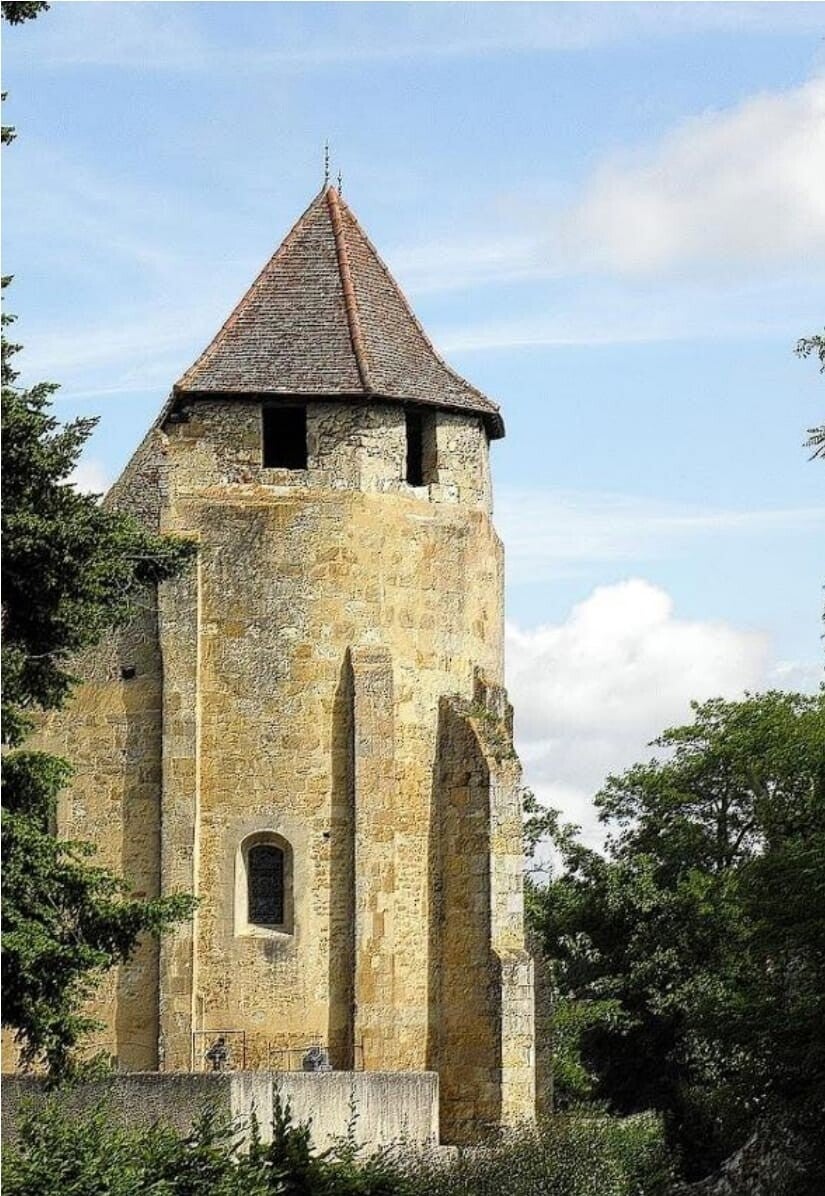
The Romanesque Jewel of Our Church: Its Exceptional Apse
The true jewel of the Church of Saint John the Baptist is undoubtedly its remarkably well-preserved semicircular Romanesque apse. For lovers of Romanesque art and architecture, it is the most treasured part of the church, offering a perfect harmony of form, craftsmanship, and detail.
-
Its delicate decorative arcades
-
Its sculpted corbels, featuring a variety of motifs
-
Its narrow windows, allowing soft light to filter through
-
Its beautifully balanced proportions, which immediately draw the eye
This iconic view of the apse has become a symbol of our heritage and a source of pride for Préchac-sur-Adour.
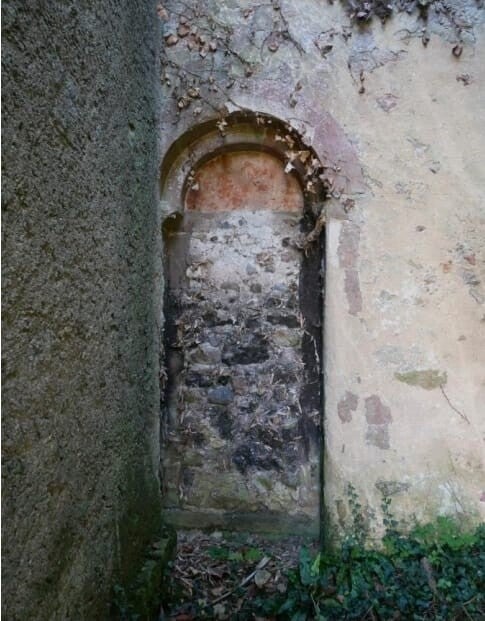
Stories and Hidden Secrets: Tales from Our Church
Beyond its architectural beauty, the Church of Saint John the Baptist is filled with fascinating stories and little-known details that reveal its rich and eventful past.
The Hidden Chi-Rho
On the north side of the church, a small sealed Romanesque doorway can still be seen, topped by a tympan bearing a Chi-Rho, one of the oldest symbols of Christianity. It offers a moving glimpse into the earliest centuries of our church.
More Than a Place of Worship
Did you know that the church was once much more than a place of worship? Traces on its southern façade reveal the former presence of an emban, a traditional covered structure or awning. Beneath it once stood the village meeting house and a schoolroom—a lively gathering place where religious, civic, and community life came together.
A Remarkable Story of Survival
The church came close to disappearing on several occasions. Largely destroyed during the French Wars of Religion, it was rebuilt in the 17th century—a testament to its resilience and to the vital place it has held in the life of the community for centuries.
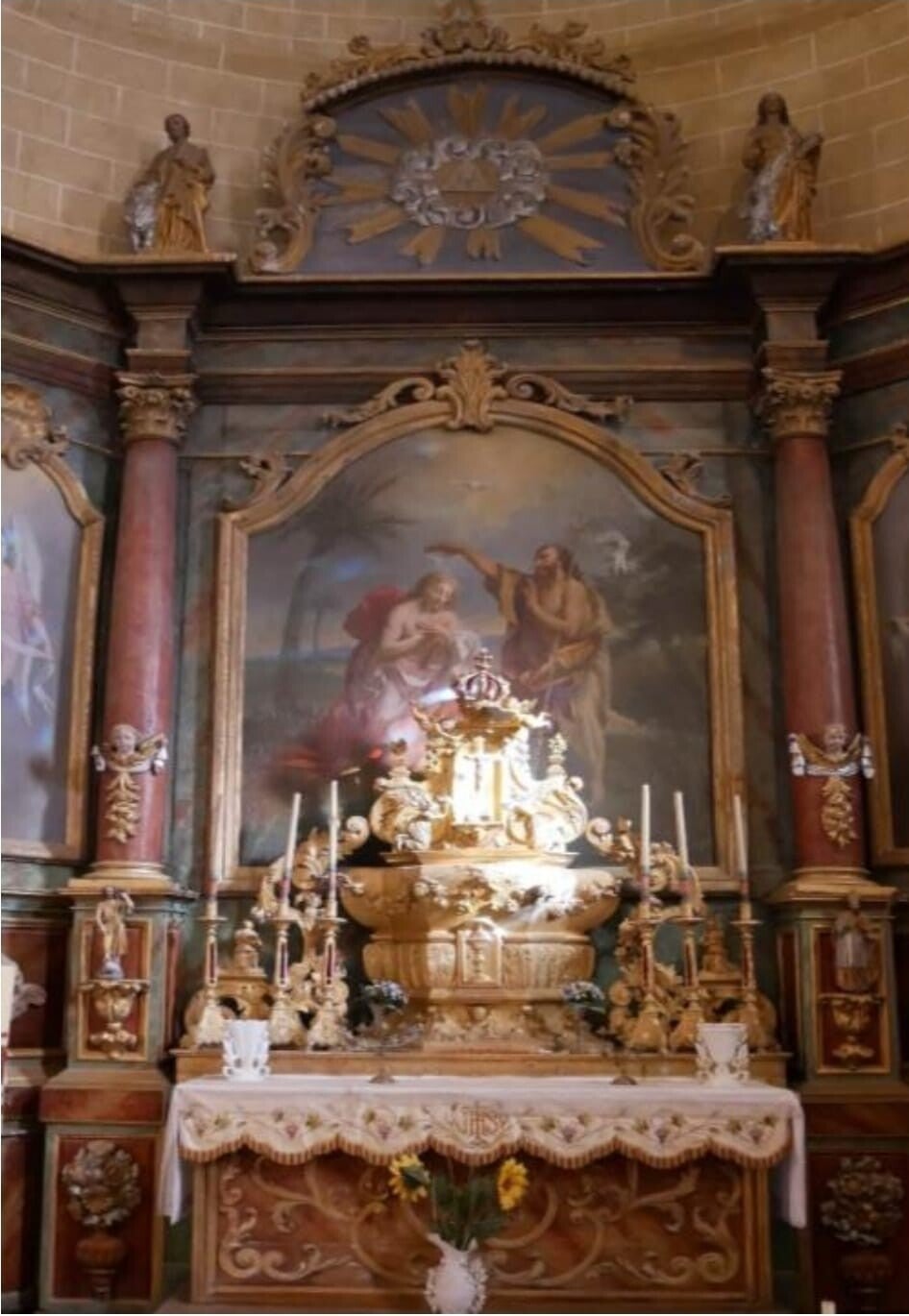
Details That Tell the Story
Every stone, every detail of the Church of Saint John the Baptist whispers a part of its story—and the story of the village itself.
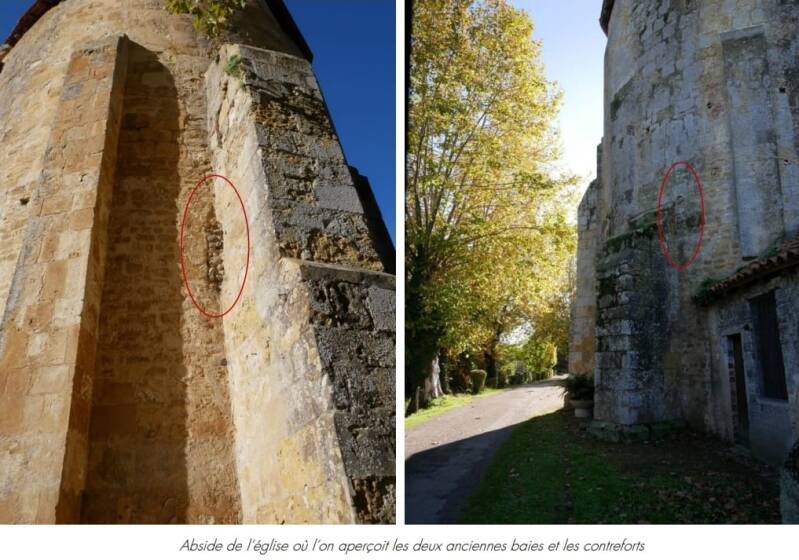
The Hidden Windows
Look closely at the apse and you can still make out the outlines of former Romanesque windows that were later sealed. These traces offer a fascinating glimpse into the church’s original architecture and the transformations it has undergone over the centuries.
An Exceptional Altarpiece
Inside the church, take a moment to admire its remarkable altarpiece, an extraordinary work of art that deserves special attention and contributes greatly to the richness of the church’s heritage.
Voices Through Time: Our Church Bells
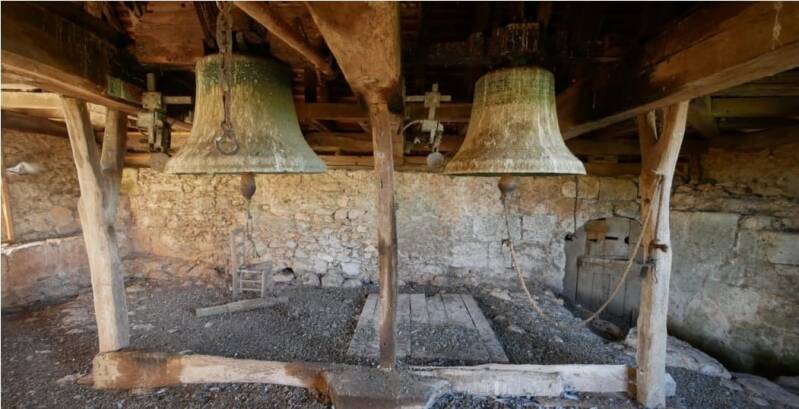
The church’s two bells each have a story of their own. One dates from 1832 and the other from 1881. For generations, their voices have marked the passage of time and accompanied the village through moments of celebration, remembrance, and solemnity.
The Influence of the Alaric Canal
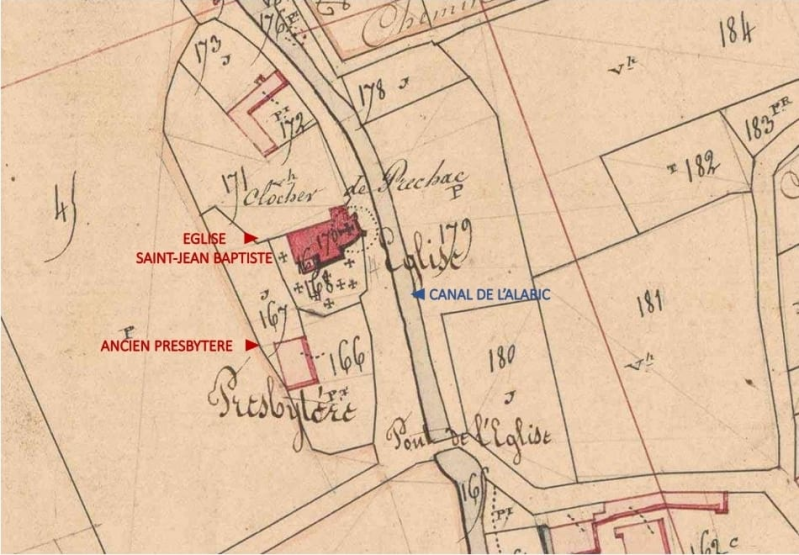
The church’s location was no coincidence. Its proximity to the Alaric Canal reflects the important role this site has played in the history and development of Préchac-sur-Adour.
Take time to stroll along the banks of the Alaric Canal. Its flowing waters, lush vegetation, and peaceful atmosphere will lead you toward the historic mill of Préchac—a beautiful walk through the natural and cultural heritage of the village.
A Thousand-Year-Old Heritage in the Heart of Préchac-sur-Adour
The Church of Saint John the Baptist is the oldest surviving landmark in our village. Its Romanesque elements, dating from the 11th and 12th centuries, have stood watch over Préchac for nearly a thousand years. A silent witness to every generation that has come before us, the church is a true cornerstone of our identity.
Before there were roads, before there were cars, before even most of the village homes had been built… the church was already here. It embodies the enduring strength of our history and the depth of our roots.
A Village Rich in Preserved Heritage
Préchac-sur-Adour has much more to offer than its remarkable Romanesque church. As visitors wander through its streets, they discover a village that has retained the charm and character of its traditional architecture.
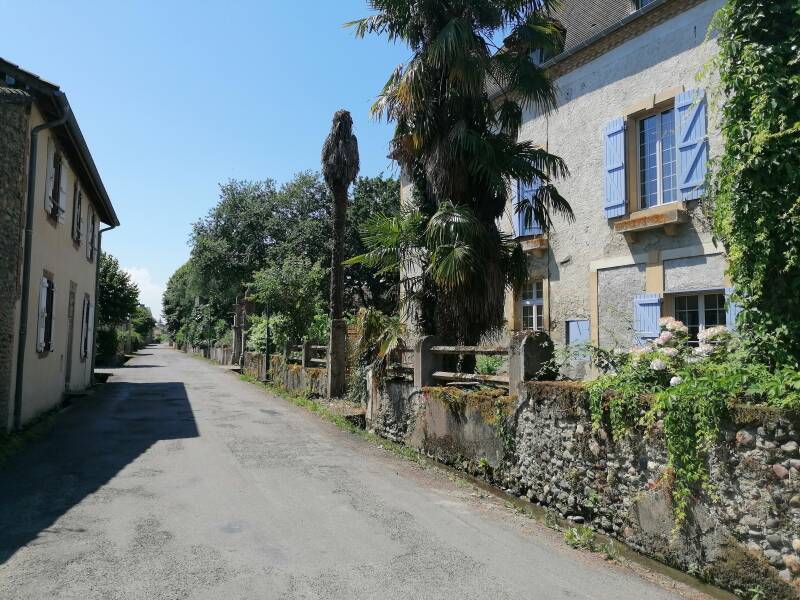
The historic village homes, built from local stone and pebbles from the Adour River, reflect the remarkable craftsmanship of generations past. Their simple yet elegant façades, finely cut stone surrounds, and traditional terracotta tile roofs create a harmonious architectural landscape that gives Préchac-sur-Adour its unique character.
Look Up… Heritage Is All Around You
Take a closer look at the beautiful façades of the historic village homes, the walls built from local stone and pebbles from the Adour River, the carefully crafted stonework around doors and windows, the traditional tiled roofs, and the many architectural details that reflect the craftsmanship of generations past.
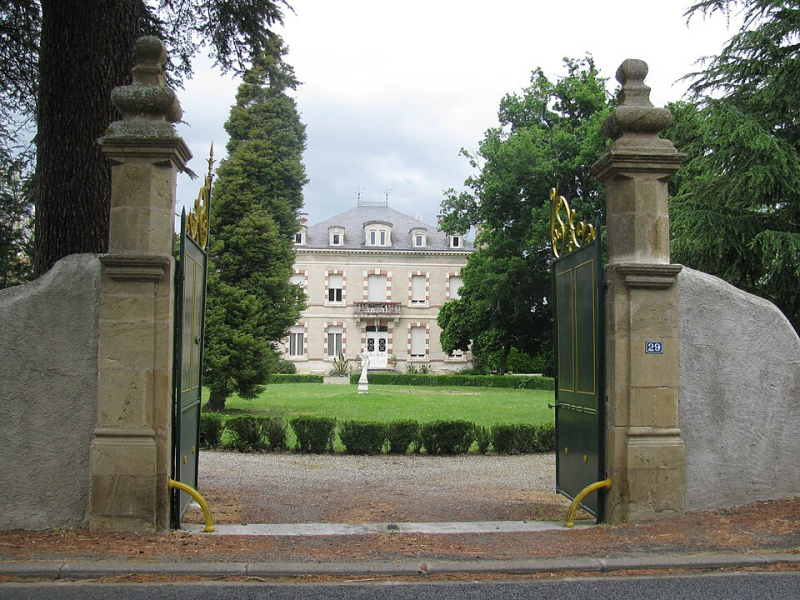
As you wander through the village, you will also discover the former convent, the Cardayre Mill, closely connected to the Alaric Canal, and the Château d’Armagnac, an elegant private residence located along the road to Castelnau-Rivière-Basse. Together, these remarkable places contribute to the distinctive historic character and heritage of Préchac-sur-Adour.
In Préchac-sur-Adour, every façade, every stone, and every building has a story to tell. Sometimes, all you need to do is slow down… and look up to discover it.
And if, during your walk, you happen to meet someone from Préchac, don’t hesitate to say hello. They may be delighted to share a story or two about our village and bring its history to life.
Créez votre propre site internet avec Webador